
Good plumbing can make a home more comfortable and less stressful for older adults and caregivers alike. Small actions taken regularly often prevent larger repairs that disrupt daily routines and budgets.
A few straightforward habits keep pipes flowing, water temperatures steady, and fixtures reliable for years.
1. Regular Leak Checks
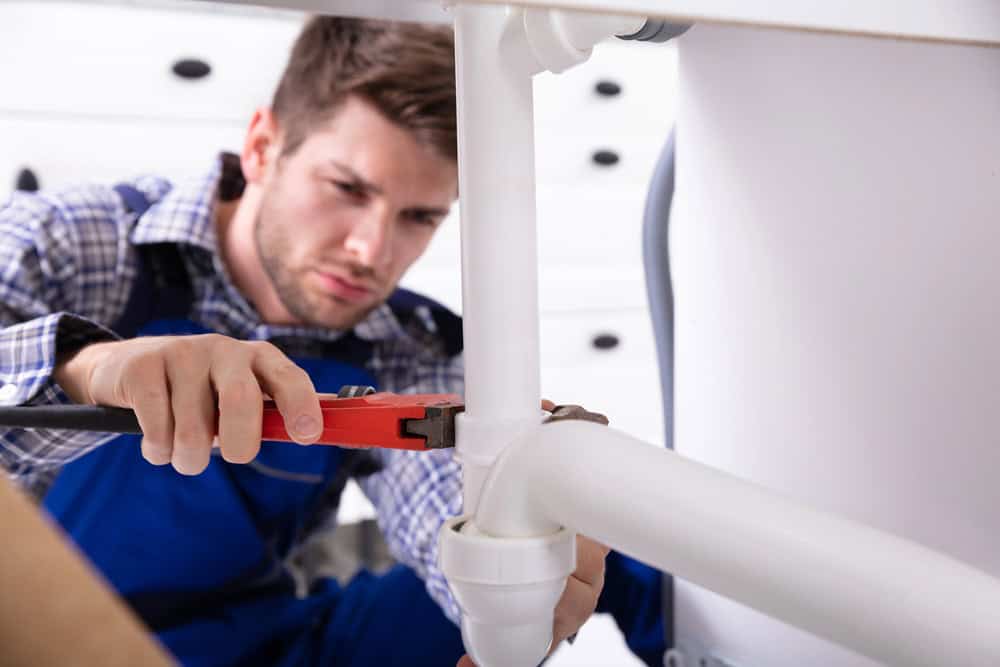
Carry out a walk through of the home once a week to spot signs of leaks beneath sinks, behind toilets, and around the water heater, and do not ignore faint stains or the faint scent of damp. A quick look is all it takes to find tiny drips that, if left alone, can lead to higher bills and bigger repairs later on.
Finger pressure on fittings around supply lines will reveal looseness, and paper towels placed temporarily under suspect spots catch slow drips so you can track them over several days. When a leak is found, shut off the nearest shut off valve and call a plumber if tightening a fitting does not stop the flow.
Engaging professional plumbers who understand senior needs can make sure even minor leaks are addressed in a way that keeps older adults safe.
Watch the water meter during a period when no water is in use to detect hidden leaks that would otherwise go unnoticed, and compare readings after a couple of hours to see if numbers change. Small leaks under floors or behind walls may show up as a steady meter creep even when everyone is asleep or away.
Leaks that remain hidden tend to weaken structures and foster mold, a hazard for fragile lungs. Addressing a persistent meter change early keeps things tidy and cuts unnecessary waste.
2. Keep Drains Clear With Simple Tools
Hair and soap scum are frequent culprits in slow showers, and a simple plastic hair catcher placed over the drain can save mess and time down the road. Clearing the trap after each shower is quick and gentle on hands, and the tool itself is inexpensive at local stores.
For kitchen sinks, avoid pouring sticky fats or thick sauces down the drain; instead let those cool and throw solids in the trash to keep pipe interiors smooth. Regular use of a small plunger often restores flow without chemical cleaners that can be harsh on older pipes and on skin.
If a clog forms deeper in the line, a hand crank drain snake can reach further and pull out trapped debris without the need for strong solvents, and learning how to use one is straightforward. Work slowly so that you do not harm fresh caulking or fragile fixtures, and wear gloves because gunk can be unpleasant.
For recurring blockages in the same place, ask a plumber to inspect the trap and line for structural issues that simple tools cannot fix. A little patience and the right gadget often nip drain troubles in the bud.
3. Water Heater Maintenance For Comfort
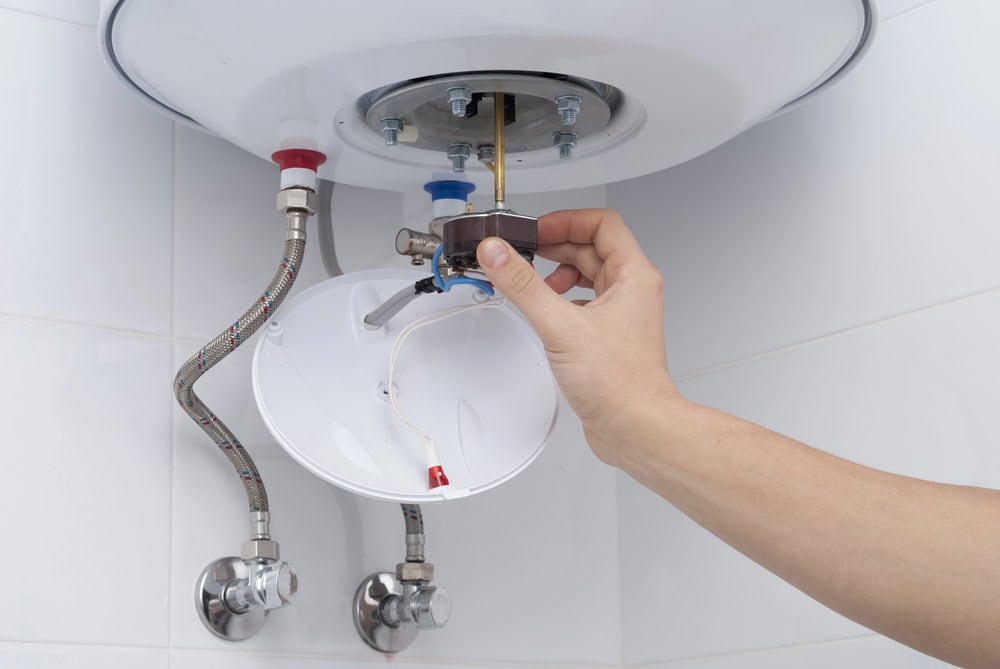
Set the water heater thermostat to a safe range to reduce scald risk while still allowing comfortable showers and dish washing, and label the setting so family members and caregivers know what to expect. Flushing a few gallons from the tank every six months removes sediment that collects on the bottom and shortens the unit life if left unchecked.
Sediment buildup lowers efficiency and can cause noises or uneven temperature, which can be confusing when someone expects a steady flow of warm water. If the unit is older or shows signs of rust, scheduling a professional inspection can point out whether repair or replacement will serve the household better.
Test the temperature at the faucet after changes and document the setting in an easy to find spot near the heater, and teach anyone who helps with home care how to check the tag. A simple thumbs up or thumbs down on a checklist keeps routines consistent and reduces surprises in the morning.
When hot water becomes scarce quickly, two people using different bathrooms, or a failing heating element, may be responsible, and a technician can identify the root cause. A stitch in time saves nine when it comes to appliances that affect daily comfort.
4. Care For Faucets And Toilets
Loose handles, slow drips, and running toilets are common annoyances that can also leave a trail of higher expenses when neglected, so tackle them early with gentle repairs or replacement parts.
Aerators at sink tips collect mineral deposits and can be soaked briefly in vinegar to restore flow without forceful scraping, and cartridge kits for faucets often come with clear instructions that a capable homeowner or caregiver can follow.
Toilets that run intermittently may need a new flapper or a float adjustment, and most parts are available at local home centers and are not hard to swap out. When fixtures are old or fragile, replacement with models that have straightforward parts can cut down on future fiddling.
Keep a small box of common parts and a basic tool kit in the utility area so a minor repair does not require an urgent run to the store in bad weather or late hours. Label the parts with the date of purchase and the location where they fit so anyone on hand can act without guesswork.
Having a plumber show how a repair is done once, and taking a short note or photo of the setup, can turn a one time lesson into lasting independence for a resident. Better safe than sorry when supplies on the shelf save time and stress.
5. Improve Access And Safety Around Plumbing
Make valves and shut offs easy to reach by clearing the area and marking them with bright tape or large labels that contrast with the background, and train caregivers where the main water shut off is located. In an emergency, quick access to a valve keeps damage small and allows immediate control while waiting for professional help to arrive.
For older hands or limited mobility, lever style handles are easier to manipulate than small round knobs, and adapters can be fitted to existing valves without a full replacement. A few minutes of thoughtful change reduces panic and speeds response.
Lighting, non slip mats, and sturdy grab bars around sinks and tubs add layers of safety that make routine tasks less risky and more comfortable for residents. Ensure pathways to the laundry area and basement are free of tripping hazards and that any stair or step has a secure handrail.
Low level lighting can be installed with motion sensing to help night time trips without fumbling for switches. These small upgrades help people maintain independence while lowering the chance of accidents that set off a chain of difficult events.