
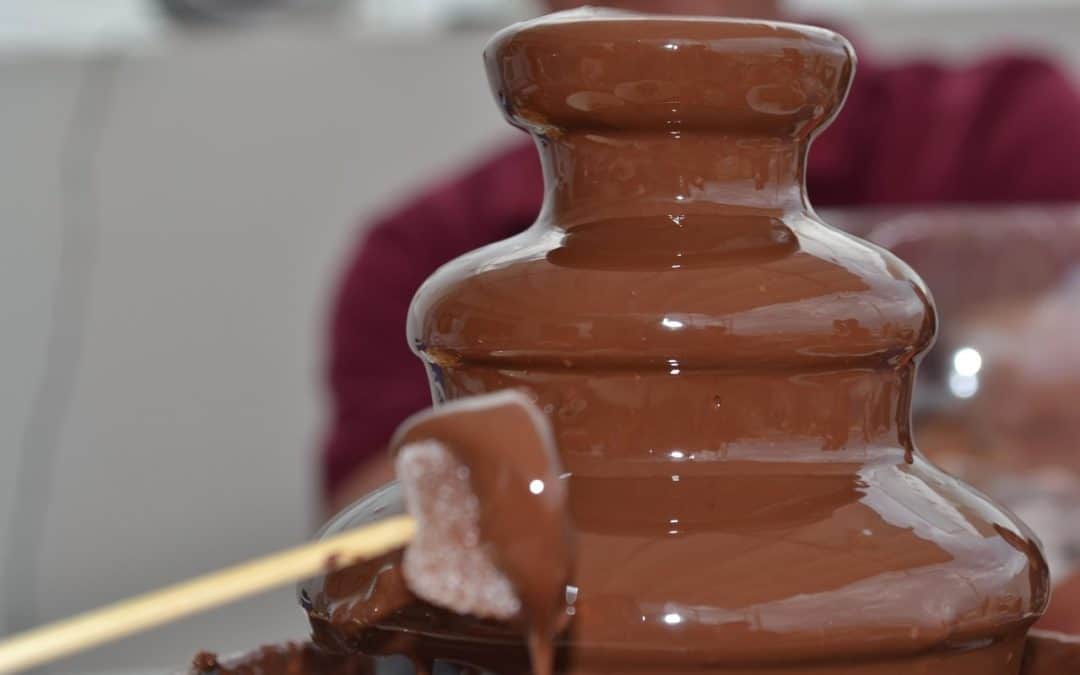
A chocolate fountain can transform a simple gathering into a focal point that draws smiles and lively conversation. Choosing the right unit takes a balance of practical checks and a sense of which features will pay off at your events.
Think about how the fountain will be used, whether for a small family evening or a larger social gathering, and match capacity and control to that intent. When the right pieces come together, the whole serving experience flows with ease and pleasure.
1. Motor Power And Stable Operation
A smooth, steady cascade often begins with the motor that turns the fountain and keeps chocolate moving without sputter. Motors with enough torque handle thicker chocolate blends and keep the curtain continuous even when guests dip a lot.
Quiet performance matters when people want to chat rather than hear a persistent hum, and a heavier base reduces wobble during use. A model that sits flat and resists tipping makes the whole event less stressful from start to finish.
Some fountains use an auger or screw mechanism to lift chocolate while others rely on a pump driven column that pushes liquid upward. Auger systems often cope better with dense sauces, though they can involve more parts to clean and a bit more attention when reassembling.
Try to test a slow speed setting before you buy so you can see how the motor handles thicker mixtures and whether it stalls under load. A dependable motor is worth its salt when you expect continuous service and long run times.
2. Efficient Heater And Temperature Control
Melting chocolate and holding it at the proper temperature calls for a heater that works with precision and steadiness. A thermostat that keeps heat consistent helps the chocolate flow in even ribbons rather than breaking into clumps or thinning to a watery drip.
Models with adjustable controls or a clear digital readout let you match the exact degrees to your recipe and reduce last minute fiddling. When heat is steady the flavor stays clean and the shine on the chocolate looks appetizing.
Digital controls give repeatable results when you use a preferred recipe while manual dials can be simpler and less to manage. A mild heat combined with patience pays off when you melt solid bars rather than relying on ultra thin liquids that run like water.
Give the mix a gentle stir while the machine warms; any lumps will dissolve and the texture will remain glossy and smooth. A heater that holds a steady band of warmth cuts down on hurried adjustments and keeps service calm.
3. Flow Design And Number Of Tiers
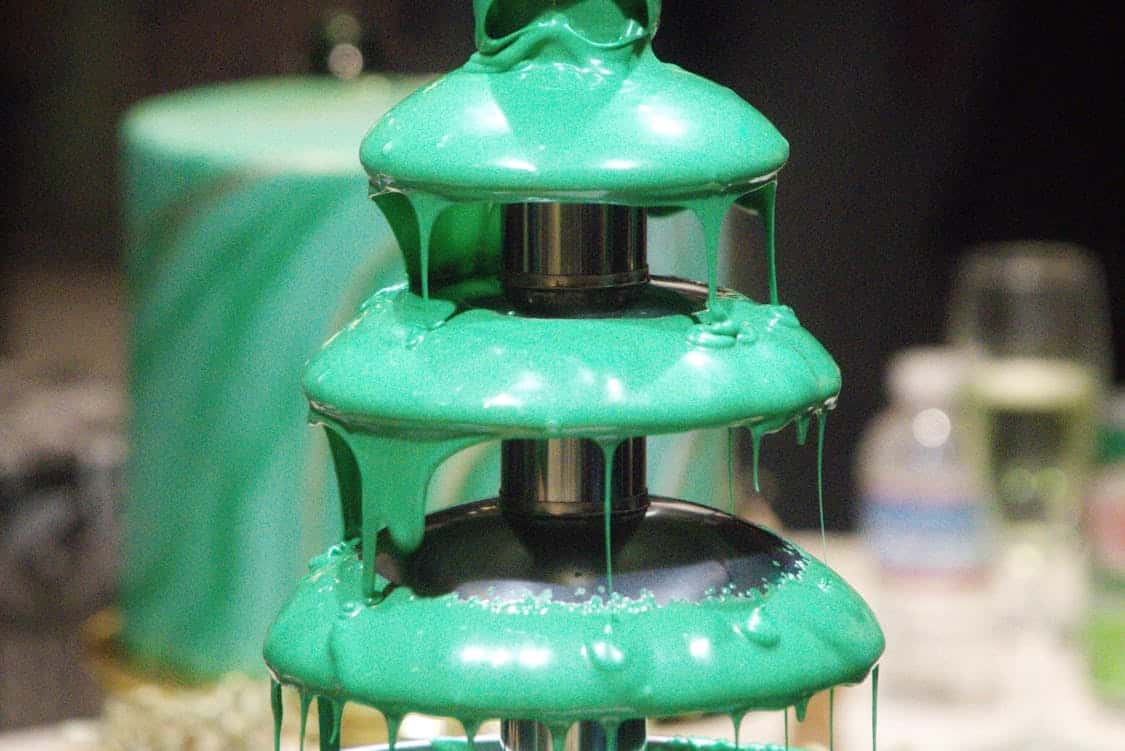
The way chocolate cascades depends on bowl shape, the path the liquid follows and the number of tiers stacked above the base. A single tier can be elegant and compact for a home table while multiple tiers add drama and lengthen the visual curtain of chocolate for a larger buffet space.
Tiers must align; each ring needs an even feed, otherwise misaligned parts can break the chain and cause sputters. Think about the height you need so children and tall guests alike can reach the flow without awkward stretching.
Design choices also affect how the fountain treats added items like fruit chunks or small pieces that fall into the stream. Wide top bowls give a larger heated surface which helps chocolate stay warm and flowing without frequent top ups, and narrow funnels concentrate the ribbon for a more theatrical effect.
Watch the cascade at different speeds and note whether it carries solids cleanly or tends to drag them into the pump area. Good engineering keeps routine service simple and reduces the moments when a quick hand is required.
4. Material Quality And Ease Of Cleaning
Food grade stainless steel offers a durable surface that resists staining and holds heat in a friendly way while certain plastics can warp after repeated exposure to warmth. A polished finish helps chocolate slide rather than cling, which saves time at wash up and keeps the ribbon smooth during service.
Parts that come apart without tools let you rinse and scrub more thoroughly between uses, and a smooth interior minimizes places where residue hides. A unit that stays looking smart after many runs will reward you with longer useful life and fewer replacements.
Dishwasher safe pieces can be a huge help when cleanup time is tight, as long as you check which components survive higher heat cycles and which do not. Small crevices and tight joins trap residue, so machines with simple geometry clean up much faster.
Gaskets and seals should fit snug and remain leak free even when the bowl is full and warm. Ease of cleaning often decides whether the fountain becomes a frequent host or an item that spends more time in storage.
5. Capacity Size And Portability
Estimate servings in line with guest numbers and the appetite you expect, since a larger bowl serves more people but takes more table room and adds weight. Home units that feed a small crowd are lighter, easier to move and fit in tighter kitchens when the party ends.
If you will carry the device between rooms or to an external venue, check handle comfort and cord length so setup does not become a hassle. A model that packs down neatly and feels balanced in hand will save effort when you transport it and when you stow it away.
Think about how often you plan to run the fountain and note that a heavy duty model can outlast lighter options when use is frequent, while an occasional user might prefer a compact choice that heats quickly. Carrying cases or tuckable cord loops add convenience for storage and safe transit, and removable tiers that lock firmly speed assembly.
Smaller machines heat faster which suits quick service and limited table space, while larger bowls keep enough warmed chocolate for steady dipping at longer events. The right mix of size and weight keeps the setup manageable from unpacking through final clean up.