
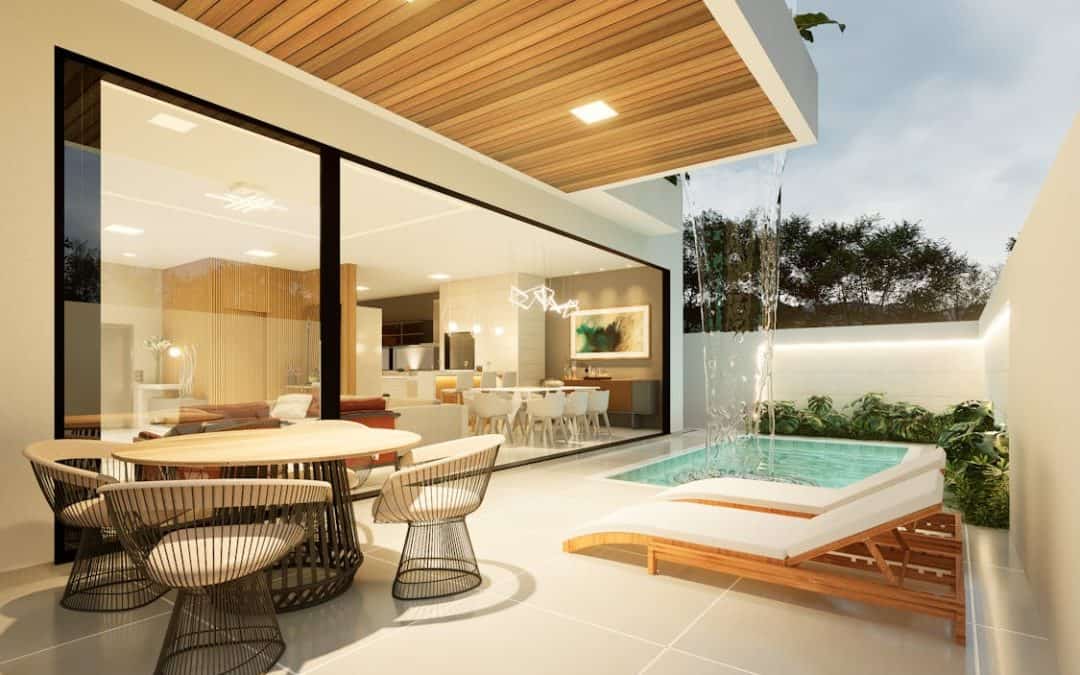
A patio can be an extension of your home where you relax, entertain and savor small everyday moments right outside the back door. Choosing the right furniture sets the tone for casual meals, quiet reading sessions or lively gatherings under the sky and affects how often you step outside.
This short guide offers practical pointers on materials, layout, textiles and lighting while keeping styling ideas accessible for a range of budgets and tastes.
Choosing Materials For Your Climate
Pick materials that suit where you live and how you use the space, weighing sun exposure, wind and nearby salt air against maintenance time and budget. If you are planning for hotter regions, exploring backyard furniture setups for desert climate can help you choose materials that handle intense sun and dry conditions more effectively.
Teak ages to a soft gray and handles moisture well, giving a classic look with high upfront cost but lower long term fuss and a pleasant scent when new. Aluminum is light for moving about and resists rust, while wrought iron reads heavy and formal and will need touch up paint after many seasons of exposure.
Synthetic woven frames mimic natural rattan, they wipe clean and tolerate rain, making them friendly for busy households, families with pets and rental settings.
Picking Seating That Fits Your Space
Start with scale and imagine how many people will sit there most often, then measure the area and leave room for moving around chairs and serving platters. A roomy sofa creates a focal point for conversation and can feel like an outdoor living room anchor, while freestanding chairs offer rearrangement options and help a small space breathe.
Balance deep seats with firmer options that support the back, and include a couple of upright chairs for shorter visits or older guests who prefer easier exits. Cushions change the feel overnight and a mix of thicknesses, fillings and outdoor covers will keep comfort high without overwhelming the frame.
Creating Zones For Different Uses
Break the patio into zones such as dining, lounging and a small prep area near a grill, and place rugs or paving changes to hint at different uses. Outdoor rugs and planters act like invisible lines that guide traffic, protect feet from hot decking and give each spot a defined purpose.
Place a table close to seating; drinks and plates land on steady surfaces and hosts move with ease while serving or clearing away dishes. Layers of lighting, a throw or two and a low screen will mark transitions and encourage lingering through long summer evenings.
Lighting For Evening Enjoyment
Good lighting keeps an area useful long after the sun goes down, increases safety on steps and highlights favorite plants or art pieces. String lights are a low effort way to add many small points of glow, while lanterns and shaded lamps produce pools of softer light ideal for reading.
Task lighting near a grill, bar or a reading chair makes cooking and quiet hours easier and gives you confidence when handling utensils and glassware. Solar bulbs fit into older settings without wiring and modern batteries last, though hard wired low voltage fixtures will deliver steady output for large terraces.
Textiles And Color Choices
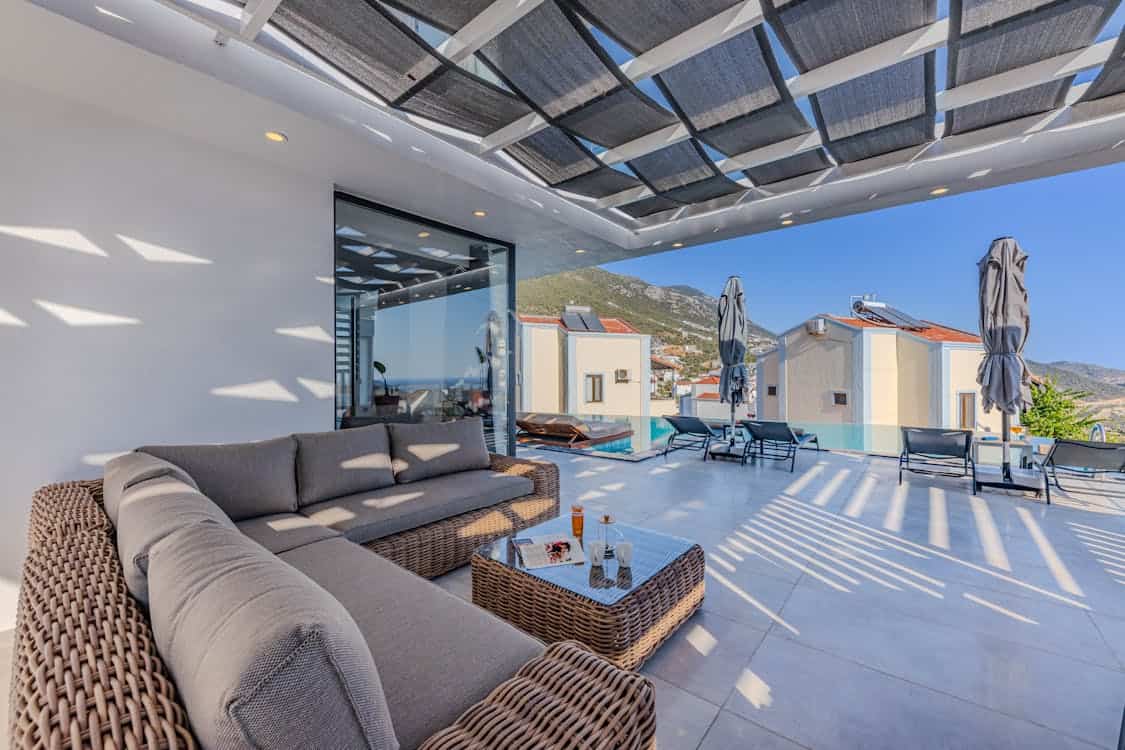
Outdoor fabrics should resist sun fade and mildew; acrylics and treated polyester roll up easily and scrub clean with mild soap. Pick a restrained palette of two or three hues, anchor those tones with neutral basics and add patterned cushions that link the colors across different seating areas.
Layer cushions, mats and a throw to vary texture and to warm up cooler evenings while still keeping things breathable on hot afternoons. Bright pillows or a bold runner will change the mood quickly and affordably without requiring a new sofa or table.
Tables And Surfaces For Function
Tables are workhorses outside; pick tops that stand up to spills, sun and casual use and prefer seams that do not trap crumbs. A central coffee table anchors a seating group and provides space for snacks, while small side tables keep drinks near each chair so guests do not have to reach across laps.
If you eat outdoors often, go for a dining table with a stain resistant surface and sturdy legs that do not wobble as people get up and sit down. Metal or treated wood frames tend to last longer near salt air and a simple sealer or cover will help a table reach several seasons of use.
Storage Solutions That Hide Clutter
Smart storage keeps cushions dry and tools out of sight between uses, giving the deck a tidier look and cutting the time to set up for a meal or game. Benches with lift up lids and lockable boxes will hide small items, double as extra seats and make it easy to rotate cushions in for cleaning.
Think vertical with shelves or a slim locker that sits against a wall, freeing floor space and keeping frequently used items handy without cluttering walkways. A lightweight cover for larger pieces will save time on rainy days, and a routine for washing cushions twice a season reduces mildew risk and fuss later on.
Greenery And Planters For Life
Plants warm hard surfaces and add sound, scent and seasonal color that change across months and bring a living rhythm to outdoor rooms. Choose pots that match the scale of your furniture and place heavier containers near corners so wind does not tip them over on blustery days.
Tall pots act as soft screens when privacy is needed, while low troughs fill an edge and allow sight lines to remain open to a yard or view. Herbs in small containers sit by the cooking area for instant flavor in a meal and teach that a productive patch can be attractive as well as useful.
Styling Tips For Seasonal Switches
Switch textiles and decor as the weather moves from heat to cool, swapping lighter covers for thicker ones and adding low light for evenings that come earlier. Store cushions that need a deep clean or that take up space in a waterproof box, and label bins so rotation is quick when a new season arrives.
Layer in thicker throws, heavier rugs and a small portable heater on nights that dip, then strip back to simpler pieces when the sun warms the patio again. Small changes like a table runner that echoes plant colors or a cluster of new pots offer a fresh look without the expense of wholesale replacement.