
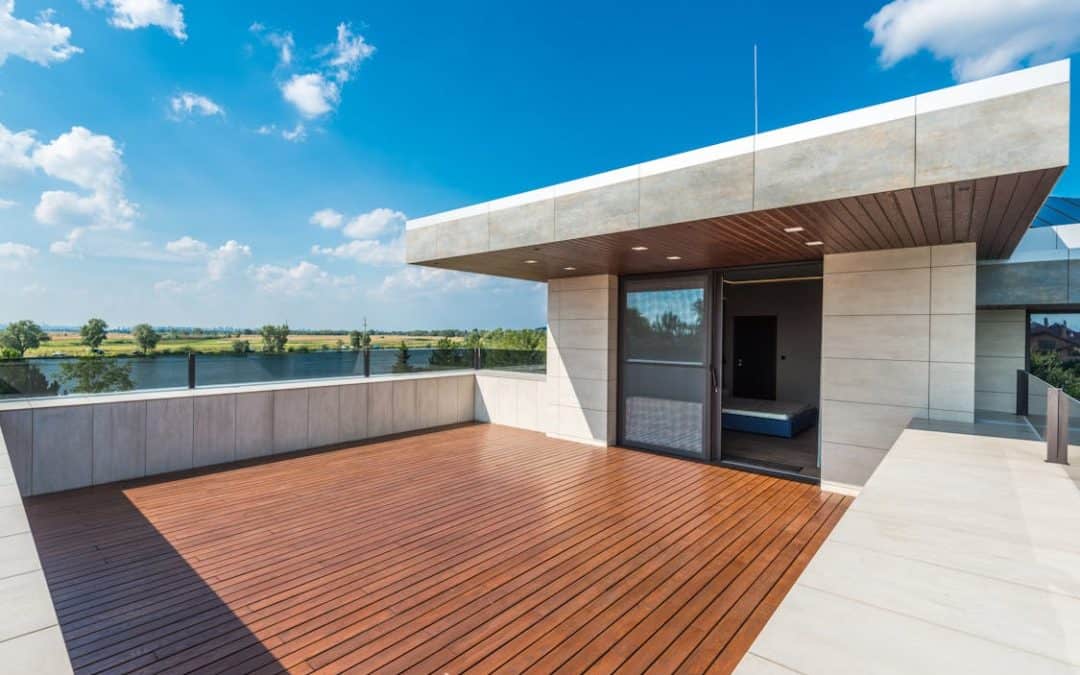
Homeowners often wonder whether the choice of decking outdoors affects what a house will fetch on the market. Material selection influences looks longevity upkeep costs and the way buyers judge overall quality and care.
Some options carry classic charm while others promise low chores and steady performance over many seasons. Agents and sellers closely watch curb appeal structural durability and the likely cost to maintain a deck when setting a price.
How Decking Materials Influence Resale Appeal
The material underfoot functions as a visible sign of investment in outdoor living and can shape a buyer’s initial impression of a property in ways that go beyond paint color and landscaping. Natural wood when well finished often signals warmth and tradition while manufactured boards hint at low upkeep and modern convenience which can attract a different buyer profile.
A deck in poor condition stands out as deferred maintenance and can prompt buyers to ask for price reductions or credits even if interiors are pristine. Local comparison shopping also matters since buyers frequently weigh the condition and style of outdoor spaces against nearby listings before making an offer.
Hardwood Versus Composite Options
Solid hardwood species such as cedar or tropical timbers bring grain warmth and a feel that many buyers equate with quality and longevity when the surface is properly installed and maintained. Composite materials engineered from plastics and wood fiber reduce threats from rot insects and frequent sealing needs and often come with long manufacturer notes about fade resistance and warranty coverage.
Upfront cost for dense hardwood can be higher per board but the ability to sand refinish and renew the surface over time changes the lifetime cost calculus for some owners. Buyers who prize a natural look tend to favor real wood while those who want low chores and predictable upkeep often gravitate toward composite planks.
Maintenance Needs And Long Term Costs
A practical view of maintenance can alter the perceived added value because ongoing costs influence what buyers will accept in a final offer and how they rank competing homes. Wood decks require periodic staining sealing or refinishing to fight moisture UV exposure and wood movement which translates into recurring budgets for supplies or contractor time.
Composite systems usually cut down on those recurring surface treatments but are not completely maintenance free since dirt mold and surface staining can still demand power washing and occasional fastener care. When sellers run the math for upgrades it helps to tally installation price expected service life and projected annual upkeep to set realistic expectations for return on investment.
Climate And Regional Factors Matter
Local climate plays a decisive role in which materials perform best and therefore how buyers perceive a deck in that area when making an offer or walking through a home. Homeowners who are buying timber in Melbourne often consider how local weather patterns, from coastal winds to summer heat, will influence long term performance.
In humid coastal zones salt spray and constant moisture accelerate decay for some timbers while inland sun and heat can dry and warp boards that are not rated for high UV exposure.
Cold climates with frequent freeze and thaw cycles reward materials that resist movement separations and damage from ice buildup while fire prone regions often push owners toward fire resistant options. Neighborhood norms and what buyers expect for outdoor spaces in a given region will also shape which choices feel right and which can be a tough sell.
Aesthetics And Curb Appeal Effects
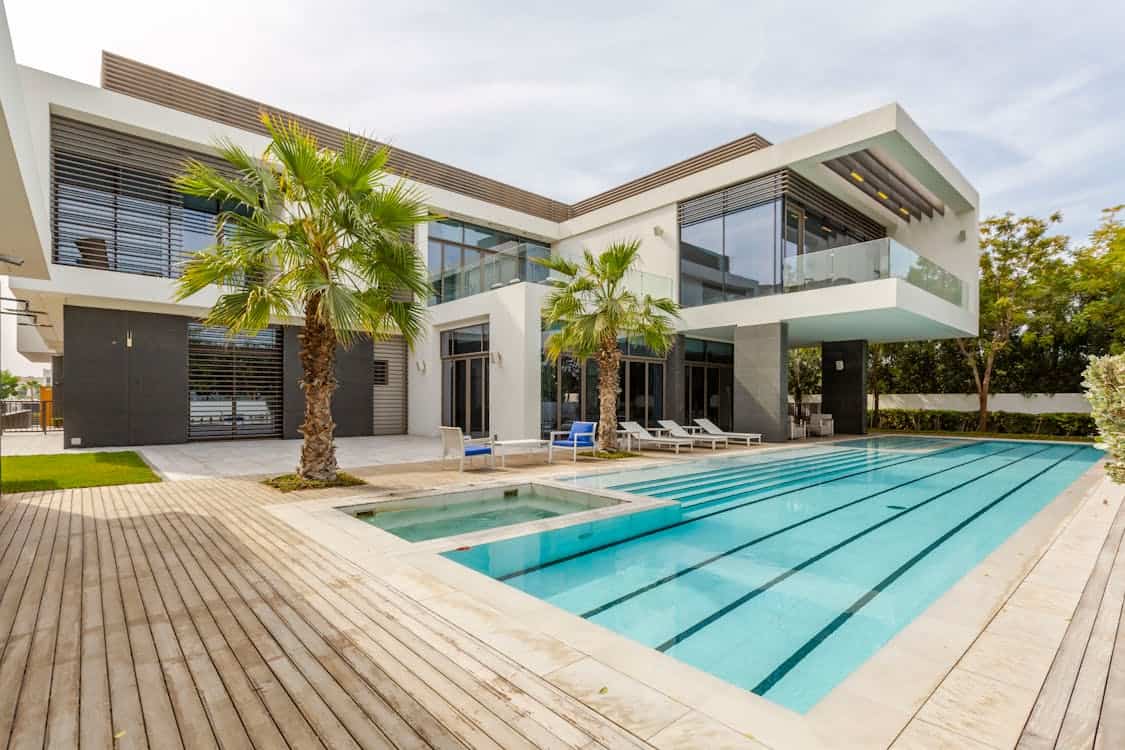
A deck acts as an extension of indoor living and tasteful design invites buyers to imagine weekend gatherings quiet mornings or a tidy family meal outside which can translate into stronger emotional interest at showings. Color tone plank width grain pattern and the layout of boards all contribute to whether the surface reads as high end relaxed or purely functional which in turn affects perceived value.
Railings integrated lighting and smooth transitions to patios or lawn often matter more than raw material because they complete a composition that buyers mentally step into. Small details like matching finish on trim post caps and neat hardware placement go a long way toward making a deck feel intentional rather than an afterthought.
Return On Investment For Common Choices
Not every upgrade translates into a full dollar for dollar bump in sale price but a well executed deck frequently recoups a sizable portion of costs in markets where outdoor living is prized and used year round. Simple well constructed wood platforms in neighborhoods that favor authentic materials can recover a generous share of expense while also shortening time on market when presented clean and up to code.
Composite installations are often cited by buyers who want predictable upkeep and those sellers can leverage that promise when marketing a home to time pressed buyers. Estimating return calls for honest accounting of materials labor realistic life expectancy and typical buyer priorities in the area so efforts are not wasted on changes that do little for market appeal.
Regulatory And Safety Considerations
Building codes permits and safe construction practice influence value because an unpermitted or poorly built deck can become a negotiation point or even a deal breaker during closing. Proper fastener spacing secure ledger connections sound post foundations and railing height all come up during inspections and in buyer conversations around safety and durability.
Local fire regulations or homeowner association rules can rule out some materials or demand specific treatments in certain zones which affects both choice and cost for replacement down the line. Savvy buyers will ask for receipts warranty documentation and confirmation that the deck was built to code before finalizing an offer so upfront paperwork is worth keeping in order.
Choosing The Right Material For Buyers
Matching material choice to likely buyer preference and to environmental demands reduces wasted effort and increases the odds that an upgrade will influence price in a positive way rather than just adding another item for a buyer to fix. If a neighborhood leans toward low chores then a durable easy care surface often shortens marketing time and attracts a broader pool of visitors at open houses.
Where buyers prize natural details a high quality wood deck that shows careful upkeep can set a property apart and justify a higher ask. Working with an agent who knows local trends helps sellers pick options that align with what active buyers in the area are seeking and that bring clarity to pricing decisions.