
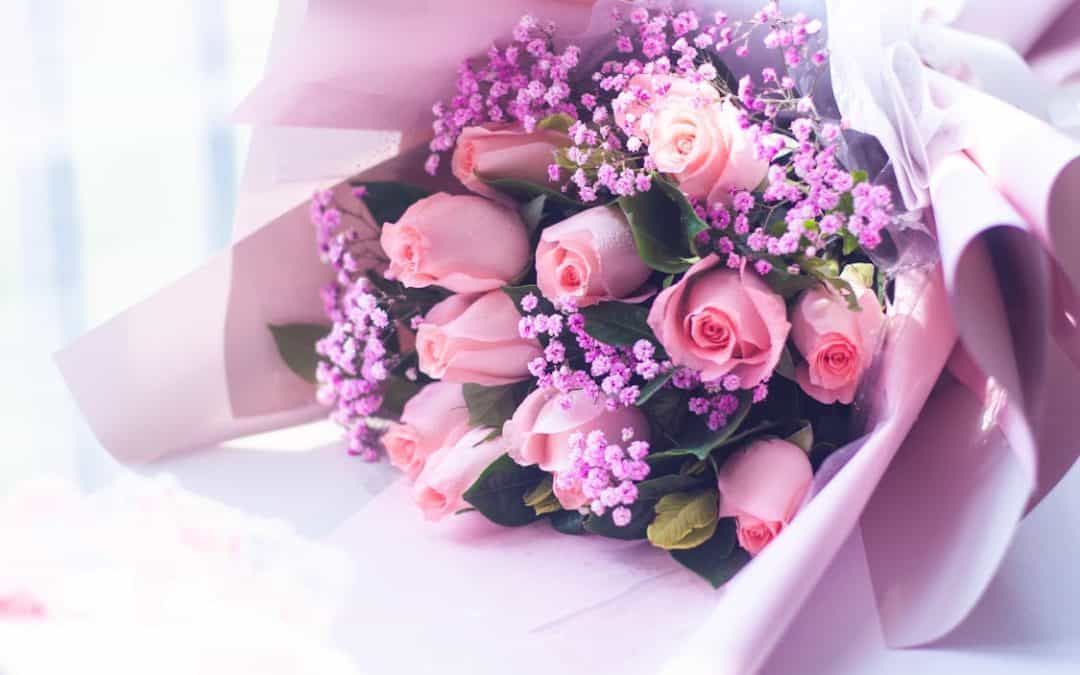
A bouquet can say things that words sometimes leave unsaid, and picking the right arrangement can turn a simple gesture into a cherished memory.
Planning ahead helps prevent last minute choices that miss the mark or arrive looking tired and rushed. A clear idea of what matters to you will guide a purchase that fits both heart and pocket.
1. Budget And Affordability
Deciding how much to spend early on removes a lot of stress from the buying process and helps narrow the many available options. Prices can vary wildly between independent florists and large online sellers, and extra charges for delivery or seasonal scarcity can add up quickly.
A modest bouquet can still leave a large impression if its composition is thoughtful, while a pricier arrangement might not always equal better sentiment. Think of your budget as a framework rather than a ceiling, and allow a bit of flexibility for quality or timely delivery.
Talking to a florist about what fits within your planned spend often yields creative alternatives that keep cost down without cutting meaning. Many shops offer smaller stems arranged cleverly or single variety bunches that look abundant and fresh.
Seasonal blooms frequently cost less and tend to last longer than forced blooms shipped from far away. Popular Mother’s Day flowers in Toronto, such as tulips, lilies, and peonies, are often budget-friendly when sourced locally and are widely available during the spring season. If you have a specific price point in mind, say it plainly and ask for options that stretch those dollars in smart ways.
2. Timing And Availability
Mother’s Day sits in a busy window for florists, and ordering too late can mean limited selection and higher prices. Popular varieties may sell out fast, and many florists book delivery slots well in advance, so early action gives you the best shot at preferred stems and delivery times.
If you prefer a particular flower that blooms briefly in spring, planning around its peak will reward you with better looking, longer lasting blooms. A little calendar discipline keeps surprises pleasant rather than stressful.
If you are working around another event or travel plans, factor shipping time and transit conditions into your choice to avoid wilted arrivals. Local pickup can sometimes be a safer option when timing feels tight and lets you inspect the bouquet before it reaches its recipient.
Discussing lead times with the vendor helps set realistic expectations for cut flowers versus potted plants. Paying attention to timing often separates a well received gift from one that missed the mark.
3. Flower Types And Meanings
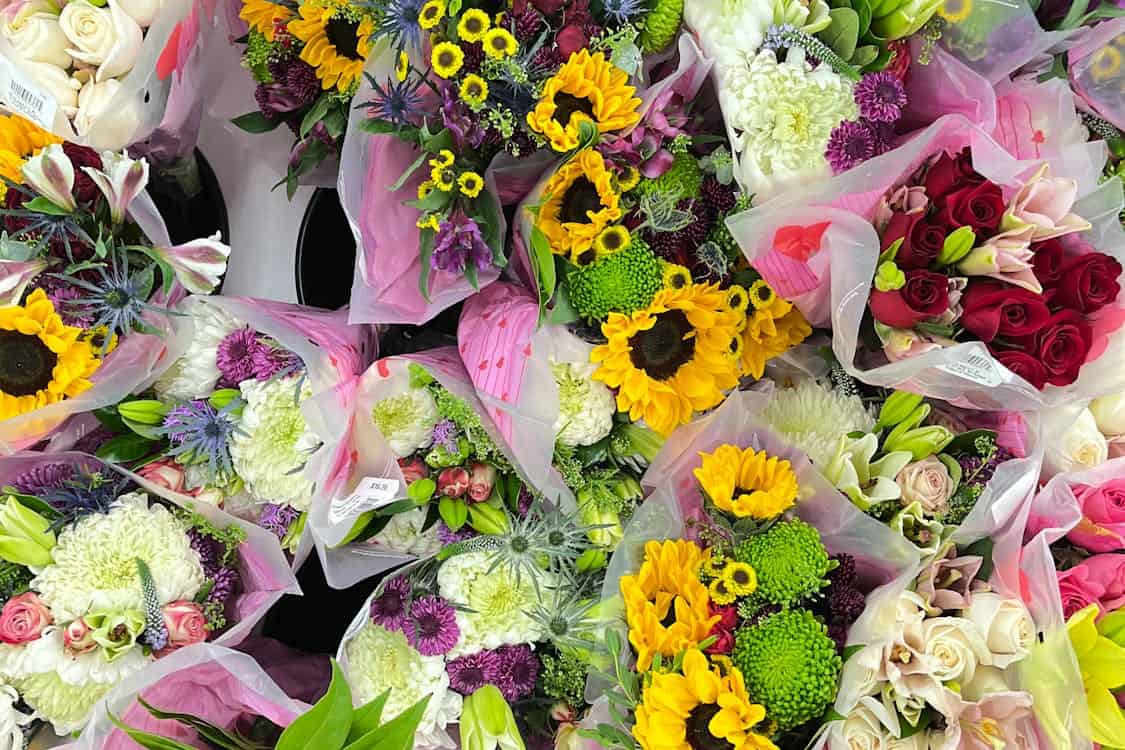
Different flowers carry different associations, and while not everyone notices symbolic meanings, choosing blooms aligned with the recipient adds a subtle layer of thought. Roses express classic affection, lilies bring elegance, and daisies feel fresh and carefree, so matching a bouquet to the personality or shared memories can make the gift feel custom.
Mixing a few stems wisely creates texture and interest without overwhelming the senses. If words matter, a small card that mentions why you picked particular flowers gives the gesture extra depth.
Allergic reactions and scent preferences are important when selecting types, since strong fragrances can please some and overpower others. Opting for low scent varieties or a potted plant can be safer when sensitivity is a concern.
Some families attach stories to certain flowers from childhood gardens or family traditions, and tapping into that history often hits the right emotional note. A choice rooted in familiarity tends to feel genuine rather than generic.
4. Delivery Options And Presentation
How flowers arrive can shape the first impression, and presentation beyond the stems matters more than many buyers expect. Simple wrapping with a tasteful ribbon or a classic kraft paper finish often looks homey and deliberate, while elaborate boxes may suit someone who enjoys a modern reveal.
Delivery timing and method affect freshness, so cooling measures and careful transit reduce the chance of damaged petals or drooping stems. A brief phone call or note to the florist about fragile blooms can make a real difference in handling.
Consider whether the recipient prefers a surprise at home or a handoff in person, and choose a delivery method that respects their routine and privacy. Leaving flowers at a workplace desk might delight some recipients while causing awkward logistics for others, so a quick check with a family member can save trouble.
If delivery is to a remote location, potted plants or hardier species often withstand travel better than delicate cut flowers. Thoughtful presentation and sensible logistics raise a simple bouquet into a memorable gift.
5. Allergies And Care Requirements
Allergies can transform a kind gesture into an uncomfortable day, so checking for sensitivities is a practical move that shows real consideration. If you are unsure, lean toward hypoallergenic choices like orchids or succulents and avoid heavy pollinators and intensely fragrant lilies.
Including basic care tips on a card or with a small instruction sheet helps extend the life of the gift and keeps the recipient smiling longer. A little guidance on fresh water, trimming stems, and ideal placement goes a long way toward maintaining beauty.
Longer term care matters when the recipient prefers plants that keep giving beyond a single week of blooms, and potted varieties offer a living reminder that can be nurtured. Plants such as peace lilies and certain palms can thrive with modest attention and brighten a room for months, turning a one time present into an ongoing pleasure.
If short lived blooms are chosen, ask the florist for conditioning tips to maximize vase life and appearance. Selecting blooms with an eye toward aftercare reveals thoughtfulness that extends past the day itself.