
Selecting pipes for oil field and transport work calls for a careful blend of engineering judgment and practical insight. Choices about material, pressure capacity, joining method, coatings, and system fit affect safety and operating costs over many years.
Poor matches between pipe properties and service conditions can lead to failures that are expensive to fix and hard to predict. A clear focus on five core areas helps purchasing teams and engineers pick options that hold up under real world stress.
1. Material Selection And Corrosion Resistance
Material choice sets the stage for long term performance because different alloys respond in distinct ways to chemical attack and mechanical stress. Carbon steel remains common for general service but stainless steel and nickel alloys are favoured where sour fluids or strong corrosives are present.
Corrosion mechanisms include uniform loss, pitting, galvanic action, and stress related cracking, and each calls for a material whose chemistry and microstructure resist that mode of attack. Matching metal to media reduces the chance of early replacement and keeps downtime to a minimum.
Selecting the right grade also means planning for inspection and repair regimes that fit site realities. In large diameter transmission projects, working closely with an experienced SSAW Pipe Manufacturer can help ensure spiral welded pipe meets strength and corrosion expectations for the specific field environment.
Some metals allow easier field welding and machining while others need tight controls during fabrication and installation. Protective measures such as corrosion allowances and internal linings interact with base metal choice, so the final answer often balances upfront cost with predictable life span. When in doubt, field trials and small scale sampling often tell a clearer story than data sheets alone.
2. Pressure Rating And Wall Thickness
Pipes must withstand steady state pressure and dynamic events like surges, water hammer, and slugging that happen in multiphase flow. Specifying a pressure class involves the maximum working pressure, temperature effects on yield strength, and any code factors for safety and material toughness.
Designers use factors of safety and recognized standards to translate those figures into nominal wall thickness and schedule numbers for procurement. Getting this right prevents catastrophic rupture and cuts the need for emergency interventions.
Wall thickness choices also account for erosion and corrosion over time so a practical allowance is common in field service designs. Internal erosion from sand or particulate flow can thin walls faster than chemical corrosion, and both processes can act together to shorten life.
Fabrication variables such as forming and cold work can alter mechanical properties, so final thickness specifications often include margins that protect against real world wear. A simple rule at many sites is to plan for the worst likely exposure and avoid cutting corners on metal where replacement is difficult.
3. Welding And Joining Methods
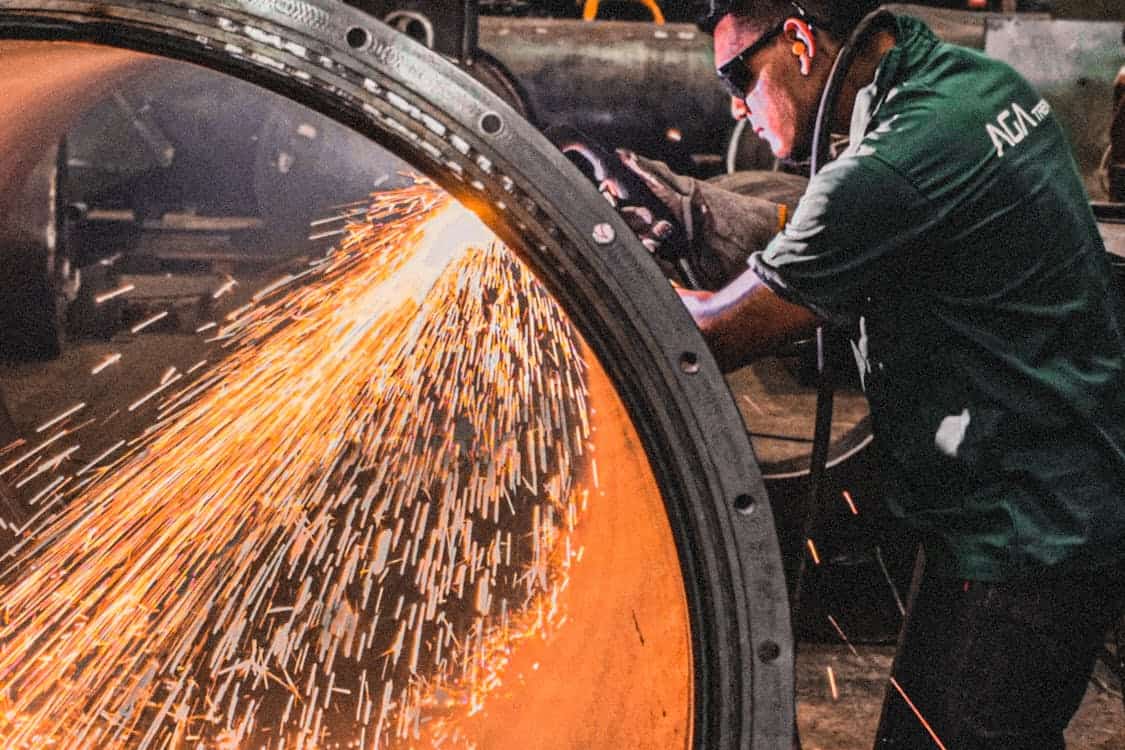
The method used to join pipe lengths dictates onsite logistics, inspection needs, and long term integrity under stress cycles. Fusion welding produces joints that, when done correctly, approach parent material strength and offer low leakage risk, but they demand qualified welders and non destructive testing to verify quality.
Mechanical couplings and flanged connections bring flexibility and speed but introduce more parts that can leak or corrode at the interface. The choice between welded and mechanical systems often reflects how permanent the pipeline will be and how accessible it is for maintenance.
Quality assurance during joining cannot be an afterthought because defects concentrate stress and create corrosion hot spots. Practices such as preheat, post weld heat treatment, and controlled filler selection limit harmful microstructures in heat affected zones.
Field welds require testing regimes that match the expected service strain cycles, and inspection frequency should rise when fluids are aggressive. Training and certification for crews pay off in fewer repairs and less downtime later on.
4. Coating And Protective Systems
Surface protection reduces the rate of external corrosion and can also limit internal degradation where chemicals attack the bore. External coatings like fusion bonded epoxy, polyethylene sheathing, and multi layer systems block water and soil ions while internal linings reduce the effect of acidic or abrasive fluids.
Cathodic protection complements coating systems by shifting electrochemical potentials away from active metal loss, particularly in buried or submerged pipelines. Choosing protection that fits environmental exposure and maintenance capabilities extends design life.
Application quality matters as much as the product specification because poor adhesion or missed holidays let corrosion start under cover of paint. Field repairs need standardized methods and materials so patched zones do not become failure points later on.
Regular inspection using simple tests can find breaches early and save money over time, and planning for access and repairs during the design phase keeps logistics straightforward. When coatings and cathodic systems work together, operators find it easier to sleep at night.
5. Operational And Environmental Compatibility
Pipes must match the fluids and patterns of flow they will carry, along with ambient and induced conditions such as temperature swings and seismic exposure. Flow regime impacts include whether the line will see steady single phase flow, slugging from multiphase pumps, or particulate laden streams that accelerate wear.
External factors like soil chemistry, tidal exposure, and wildlife interactions influence protection choices and routing decisions. Regulatory requirements for emissions, testing, and spill response will shape procurement and ongoing monitoring strategies.
Thinking about long term operations means planning spare parts, access, and maintenance intervals that fit site realities rather than ideal scenarios. Compatibility with existing pumps, meters, and control systems lowers retrofit cost and reduces integration headaches during commissioning.
Lifecycle budgeting that captures inspection, repair, and eventual replacement gives a clearer financial picture than focusing on purchase price alone. In many projects, a small up front investment in the right pipe type keeps the whole job humming along with fewer surprises.